
The Future of Climate Attribution: Unraveling Earth's Complex Systems
Understanding Climate Attribution
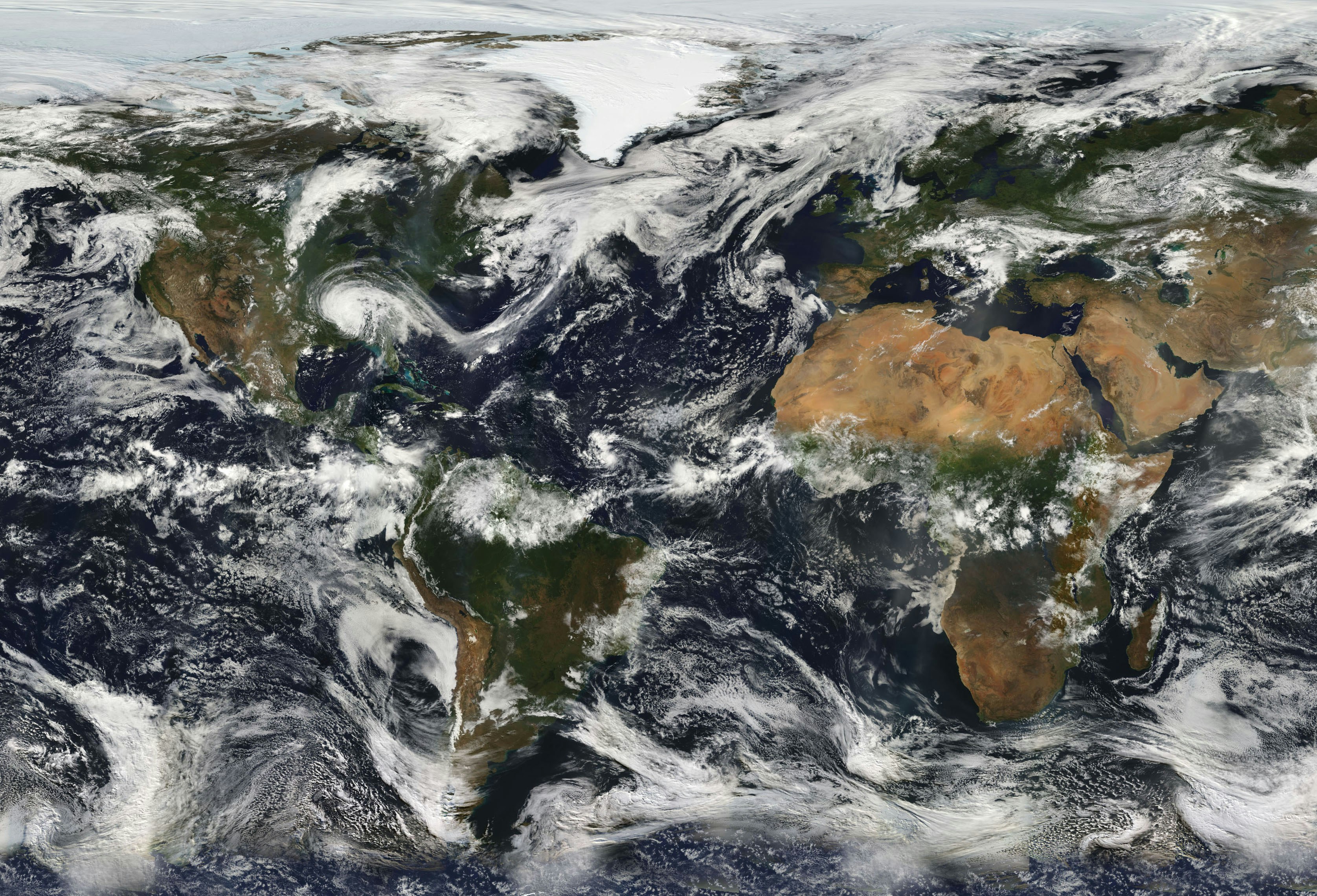
Climate attribution is a field of science that focuses on identifying the causes of observed changes in climate. By analyzing various factors such as greenhouse gas emissions, land use changes, and natural climatic cycles, researchers can attribute specific events or trends to human activities or natural variability.
The Role of Data in Climate Attribution
Data plays a crucial role in climate attribution studies. Scientists rely on vast datasets collected from satellites, weather stations, and other sources to track climate variables over time. Advanced statistical models and machine learning algorithms are then used to analyze this data and identify patterns that help explain climate change phenomena.
Challenges in Climate Attribution
Despite advancements in technology and data analysis techniques, climate attribution poses several challenges. Disentangling the complex interactions between different drivers of climate change, separating natural variability from human-induced factors, and accounting for uncertainties in the data are just some of the hurdles that scientists face in this field.
Practical Applications of Climate Attribution
Climate attribution research has practical implications for policymakers, urban planners, and communities at risk from extreme weather events. By understanding the underlying causes of climate change, decision-makers can develop more effective mitigation and adaptation strategies to reduce the impact of future climate-related disasters.